Cart
0
You may also like
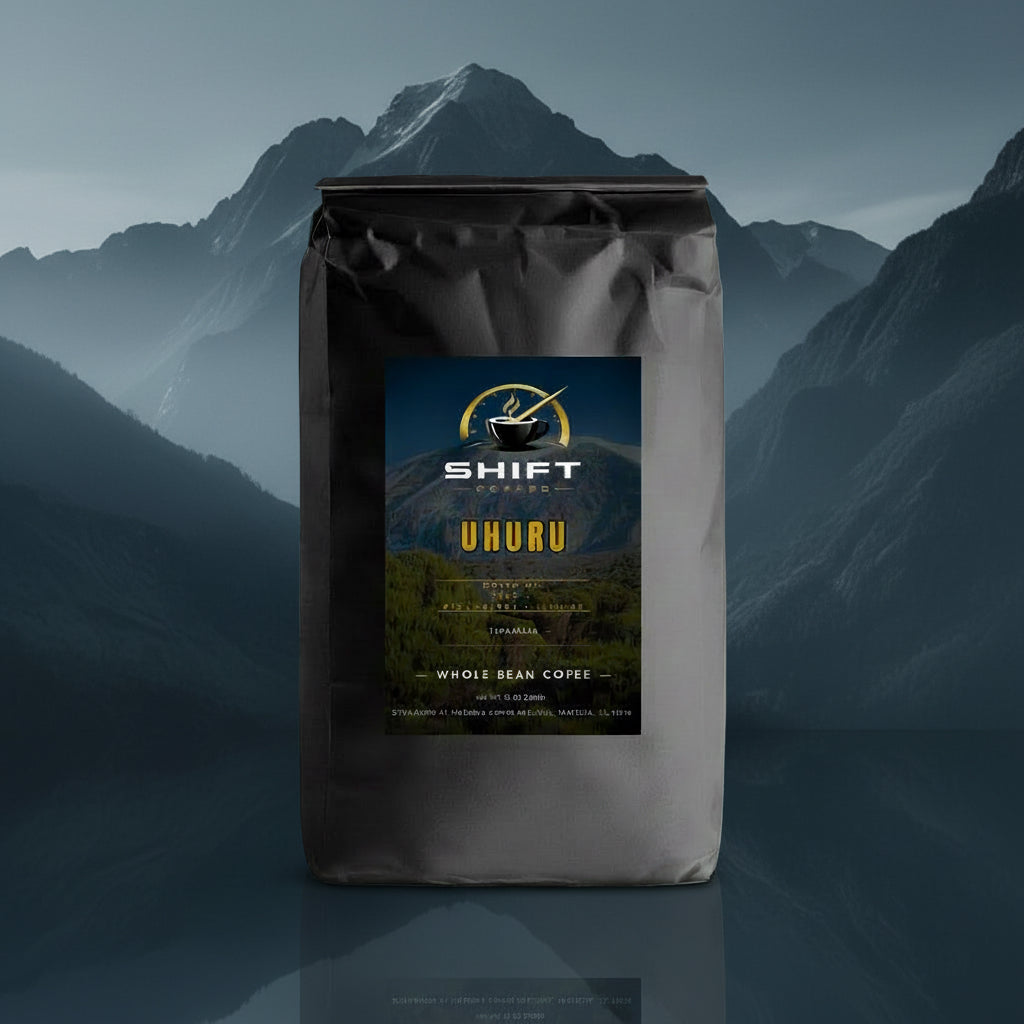
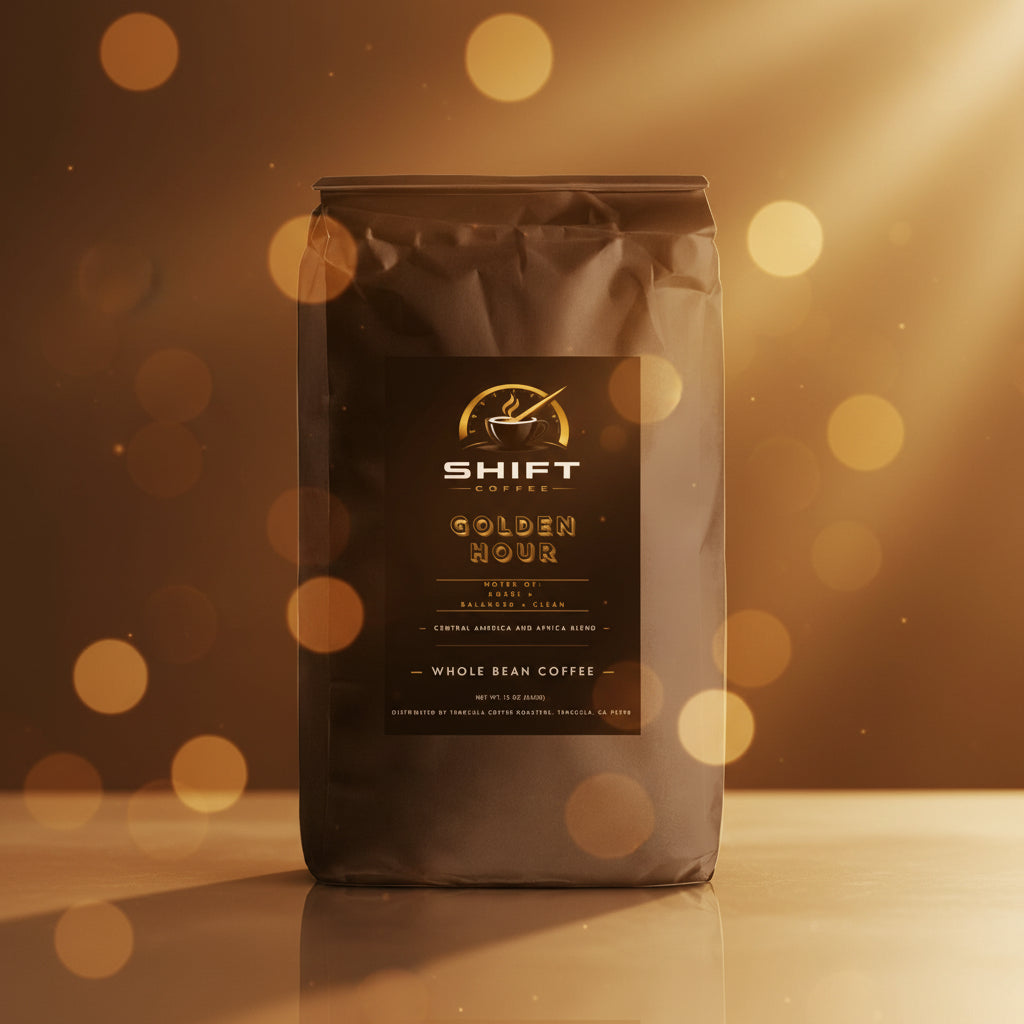


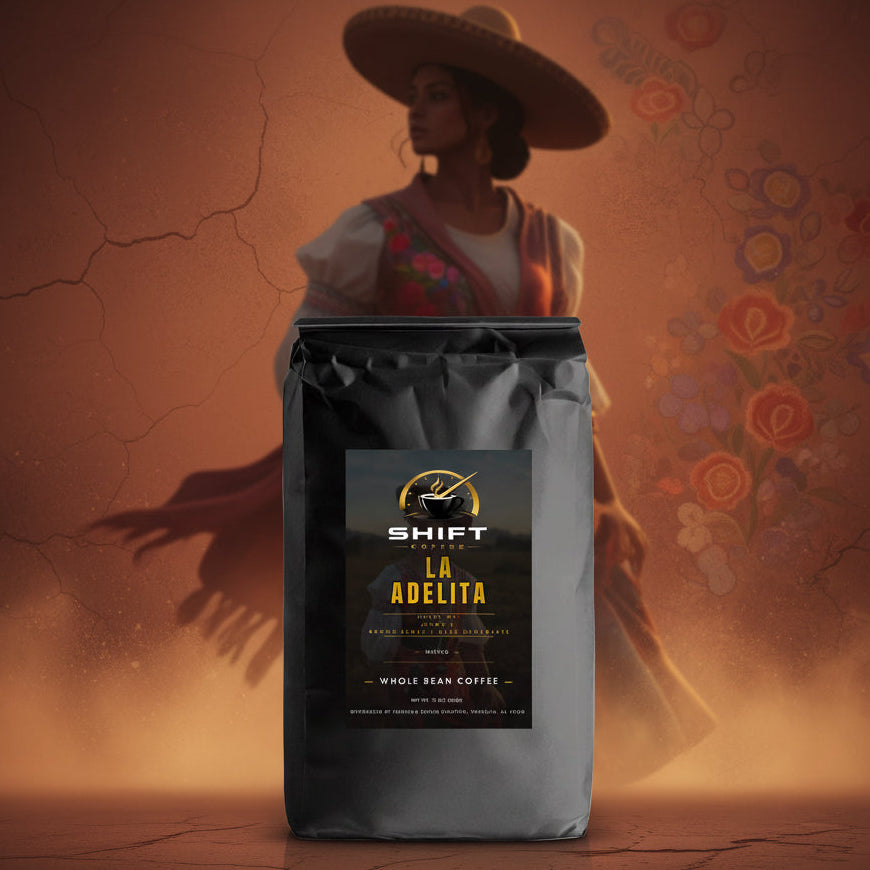
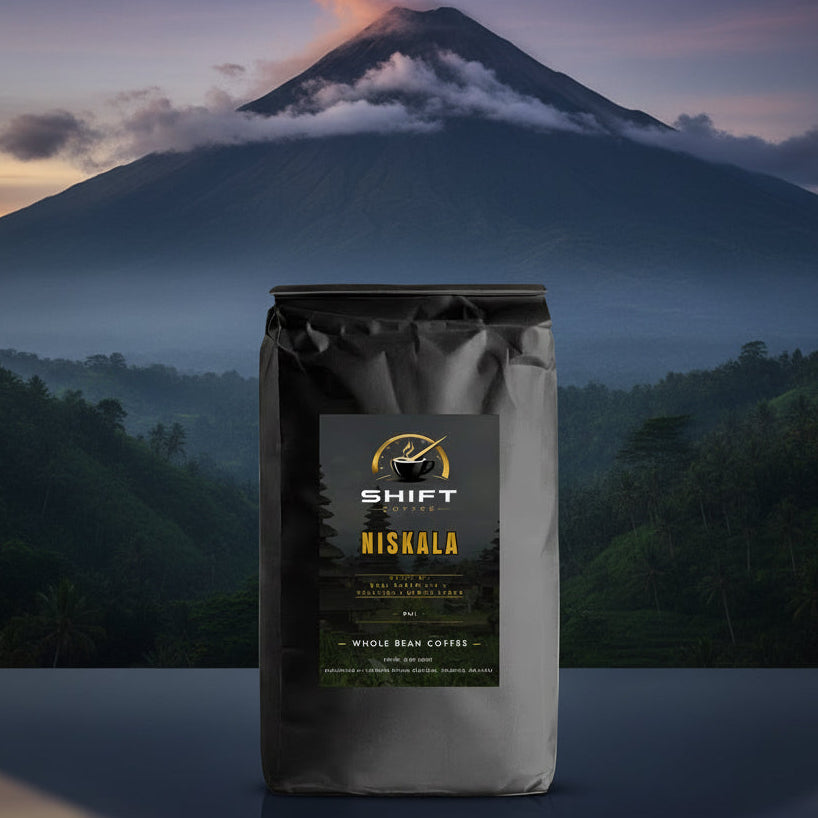


The difference hits before the first sip. Open a bag of fresh roasted coffee online, and the aroma is immediate: rich, specific, alive. Brew a cup from coffee that has been sitting on a shelf for months, and even a good morning can start to feel flat.
Coffee is more than a habit when the day demands something from you. It is the first decision. The signal to focus. The reset between meetings. Buying fresh changes that ritual because it gives you more control over what reaches your cup, when it arrives, and how it performs.
Roasting transforms a dense green coffee seed into the fragrant bean you recognize. It also begins a clock. After roasting, coffee releases carbon dioxide and gradually loses the aromatic compounds that create its clearest flavor and most compelling fragrance.
That does not mean coffee becomes undrinkable after a few days. It means its character changes over time. The vibrant notes become quieter. Sweetness can feel less defined. The finish can lose structure. For a coffee drinker who wants a clean start and a consistent ritual, that decline matters.
Freshly roasted coffee is often at its best after a brief resting period, when it has had time to settle following the roast. The ideal window depends on the coffee, roast level, and brew method. Espresso usually benefits from more rest than drip coffee. Still, buying coffee roasted close to fulfillment puts you much closer to the moment when that origin, roast, and processing choice can actually speak for itself.
Freshness is not a substitute for quality. A poorly sourced bean roasted yesterday will not become exceptional through timing alone. But when careful sourcing, intentional roasting, and fresh fulfillment work together, the result is more clarity in the cup. You can taste the difference between a coffee chosen for convenience and one chosen for purpose.
Shopping online gives you access to a broader range of coffee than most grocery aisles can hold. It also asks you to make a few decisions without smelling the bag or speaking with a barista. The right details make those decisions easier.
Start with the roast date. A company that treats freshness seriously should be clear about when coffee is roasted or how close to shipping it is roasted. A best-by date alone is less useful. It tells you how long a product may remain acceptable, not when its flavor was at its most expressive.
Next, look at the source. Origin matters because it shapes the coffee's natural personality. A washed Kenya may bring bright fruit and crisp structure. A coffee from Peru or Mexico may lean toward balanced sweetness, cocoa, and gentle acidity. Tanzania, Bali, Papua New Guinea, and other producing regions each offer distinct possibilities, but origin is a starting point, not a guarantee. Variety, elevation, processing, and roast level all influence the final cup.
Then choose a roast that fits the way you want to drink coffee. Light roasts tend to preserve more origin character and can feel lively or tea-like. Medium roasts often balance sweetness, body, and brightness. Darker roasts can deliver fuller body, deeper caramelized notes, and a more familiar intensity. None is objectively superior. The right choice depends on whether you want a bright pour-over, a rounded daily drip coffee, or a bold brew that stands up to milk.
Finally, confirm the available formats. Whole bean is the best option for maximum flavor retention if you have a grinder. Ground coffee is the practical choice when speed matters, provided you select the grind suited to your brewer. Pods can make sense for fast, consistent mornings. The best format is the one you will use well, not the one that looks most serious on the counter.
The strongest coffee routine is not built around chasing novelty every morning. It is built around knowing what you need.
For an early work block, choose a coffee with structure and balance. A medium-roast blend can provide a dependable baseline: enough depth for a satisfying first cup, enough clarity to avoid tasting muddy. This is the coffee that helps you start strong and set the tone before the calendar starts making demands.
For focused creative work, a more distinctive single-origin coffee can be the better choice. Brewing a carefully sourced light or medium roast with a pour-over or a well-tuned drip machine creates a slower, more deliberate pause. The goal is not to turn every cup into a tasting exercise. It is to give your attention something worthy of it.
For training days, long commutes, or afternoons when you need momentum without complication, reach for the format that removes friction. A reliable pod setup or pre-ground coffee can be a smart decision. Convenience is not a compromise when it supports consistency. It becomes a compromise only when it leaves you with a cup you do not want to drink.
This is where coffee becomes personal. You are not just selecting notes of chocolate, citrus, or nuts. You are selecting the energy of the moment: steady, clear, intense, or restorative.
Ordering fresh is only half the equation. How you store coffee determines how much of that freshness you keep.
Keep beans in their original resealable bag if it has a one-way valve and a secure closure, or transfer them to an airtight, opaque container. Store the coffee in a cool, dry cabinet away from heat, direct sunlight, and strong odors. The refrigerator is usually a poor choice because coffee can absorb moisture and surrounding smells.
Freezing can work for larger quantities if you divide coffee into sealed portions before freezing and avoid repeatedly opening the same container. For most people, though, the simpler move is better: order an amount you can finish within a few weeks and replenish when needed.
Grind immediately before brewing whenever possible. Grinding creates more surface area, which accelerates flavor loss. The aroma released by a grinder is part of the experience, but it is also a reminder that the most volatile compounds are now escaping. Grind, brew, move.
A smart coffee order does not need to be complicated. Choose one dependable daily coffee and one more expressive option for slower mornings or weekends. That combination gives you consistency without making your routine feel repetitive.
If you are still learning your preferences, avoid buying several large bags at once. Start with smaller quantities across two roast profiles or origins. Take simple notes after each brew: what you liked, what felt too sharp or too heavy, and whether milk changed the balance. Within a few orders, patterns become clear.
Pay attention to delivery timing as well. Fresh coffee is best when it fits your actual consumption pace. A subscription can be useful if your household finishes coffee predictably. If travel, training cycles, or work schedules change often, ordering as needed may keep more coffee in its prime.
At SHIFT Coffee, that choice is framed around more than flavor. A coffee can support focus, strength, recovery, or forward motion, depending on the ritual you build around it. The point is not to make coffee perform miracles. The point is to stop treating a daily tool like an afterthought.
The best cup is rarely about having the most expensive equipment or memorizing every processing method. It comes from a few intentional decisions: coffee roasted with care, a format that fits your life, clean water, and a brew method you can repeat.
Start with coffee that arrives ready to show you what it is. Then give yourself ten focused minutes to make it well. That is enough to turn a routine into a standard you can feel before the day begins.


