Cart
0
You may also like
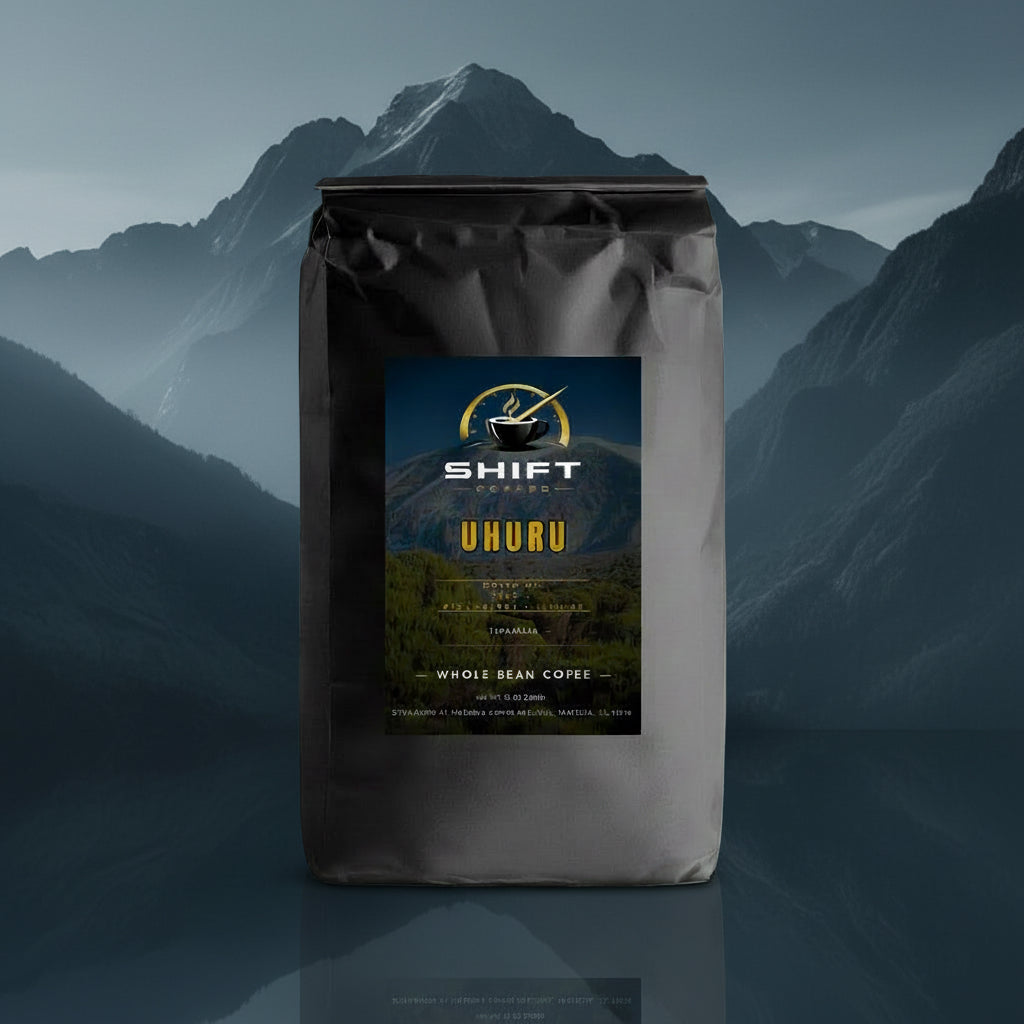
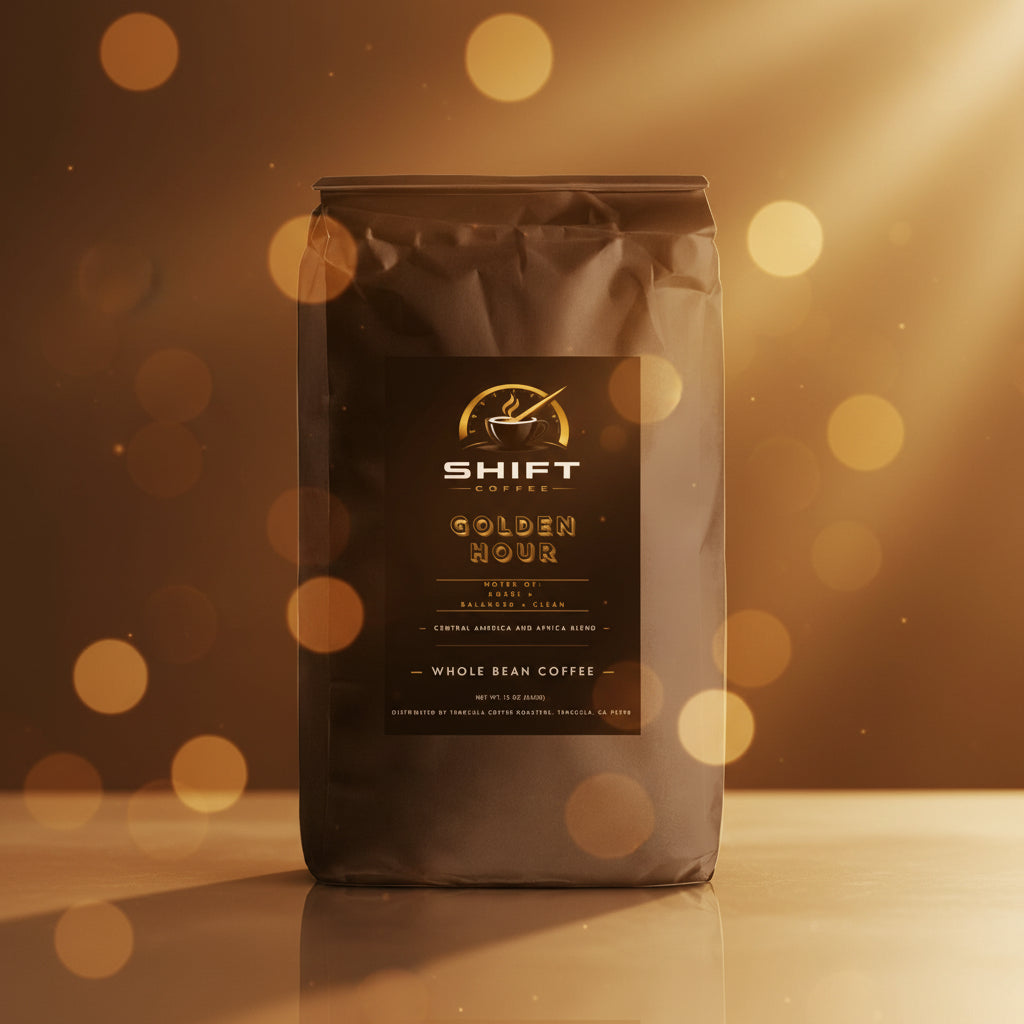


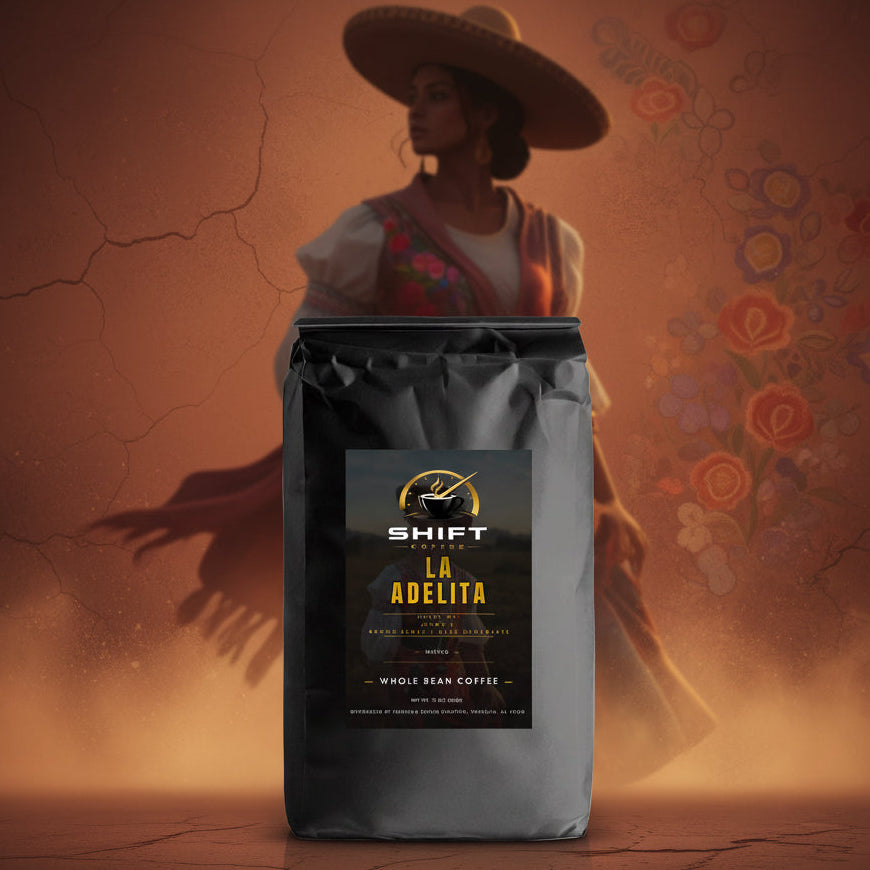
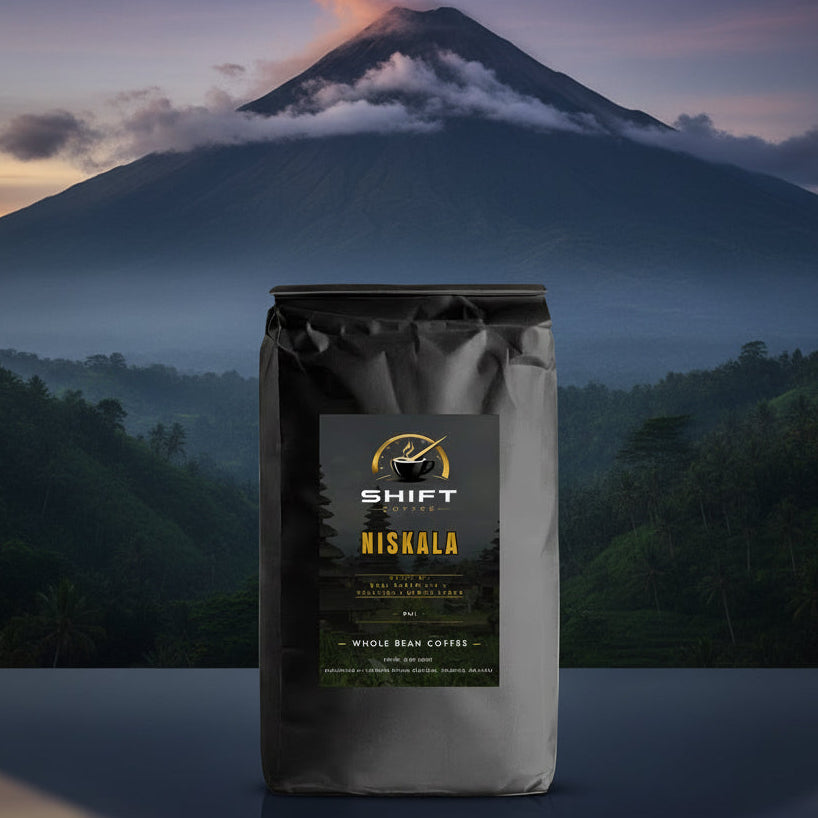


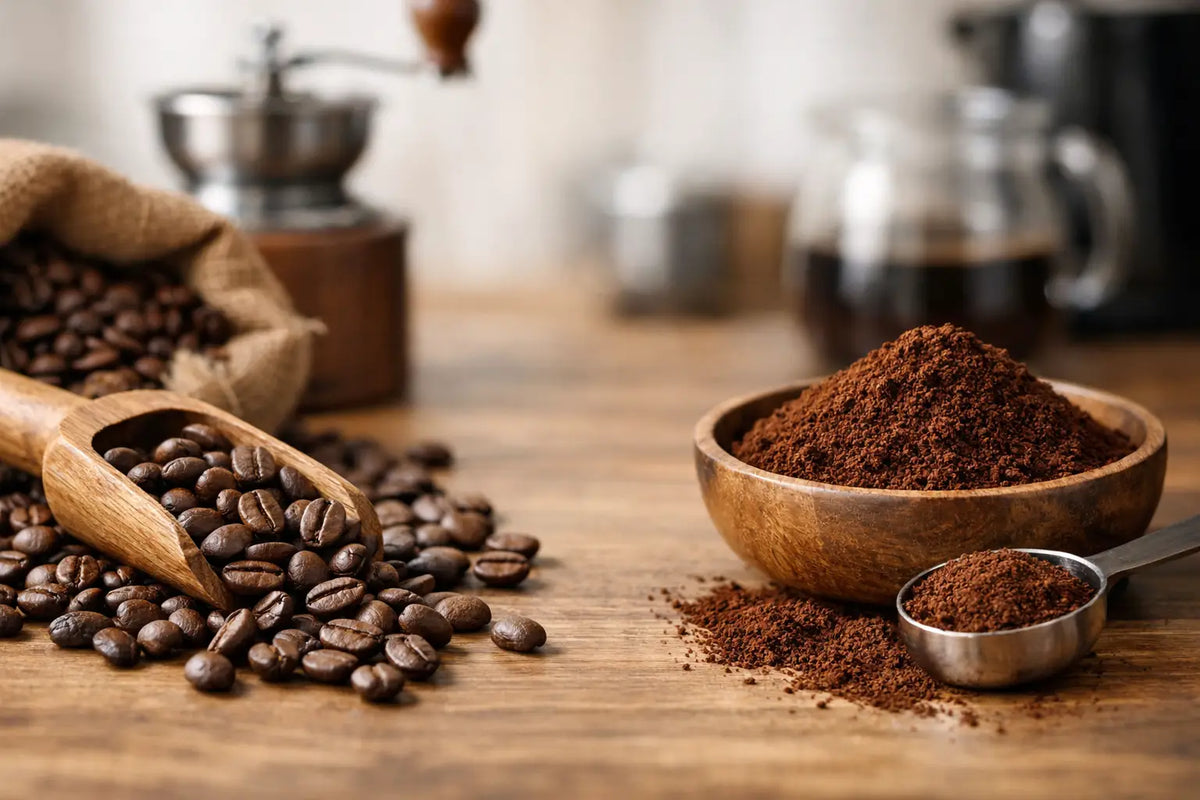
The difference between an alert, composed morning and a flat, forgettable cup can begin before water ever touches the coffee. Whole bean vs ground coffee freshness is not a minor preference. It determines how much aroma, sweetness, texture, and origin character make it into your brew.
Coffee is at its best when its flavor compounds are protected. Roasting develops those compounds. Grinding exposes them. That simple sequence is why the format you choose matters - especially when coffee is part of a focused routine, not an afterthought.
A roasted coffee bean is not sealed shut, but it is far more protected than ground coffee. Its surface area is limited, which slows the contact between the coffee and oxygen, moisture, light, and ambient odors. Those are the forces working against freshness.
A grinder changes the equation in seconds. One bean becomes thousands of small particles, each with fresh exposed surfaces. Aromatic oils and volatile compounds begin to escape rapidly. Oxygen begins its work. The coffee may still be drinkable days or weeks later, but the vivid character that made it exceptional starts to fade.
That loss is not always dramatic at first. Instead, it shows up as less fragrance when you open the bag, a quieter flavor in the cup, reduced sweetness, or a finish that feels dry rather than clean. A coffee with notes of citrus, cocoa, stone fruit, or caramel can begin to taste merely brown and bitter when freshness slips.
For coffees sourced with intention and roasted in small batches, that difference matters even more. The goal is not simply caffeine. The goal is a cup with presence.
Whole beans generally retain their best flavor longer because the interior of each bean remains relatively protected until you grind it. When stored well, whole beans can deliver excellent results for several weeks after their roast date. The precise window depends on roast level, packaging, storage, and brewing method, but the advantage is consistent: wait to grind, and more of the coffee stays intact for your cup.
Ground coffee trades some of that longevity for convenience. It is ready when the moment is tight. There is no grinder to set up, no extra step between intention and action. For many people, that convenience is worth it. A well-ground, freshly packed coffee can still produce a satisfying brew, particularly when it is used promptly and stored correctly.
The distinction is not that whole bean is good and ground is bad. It is that whole bean gives you more control over time, while ground coffee gives you more speed. The right choice depends on how you brew, how quickly you finish a bag, and how much you want to shape the result.
Aroma is one of coffee's most immediate pleasures. It is also one of its most fragile. The scent rising from freshly ground coffee carries much of what your palate will interpret as flavor. Grind right before brewing, and the room fills with those compounds instead of losing them to the air hours, days, or weeks earlier.
This is especially noticeable with single-origin coffees. A floral Kenyan profile, a fruit-forward Tanzanian cup, or a layered coffee from Peru has details worth preserving. Fresh grinding helps those details arrive with clarity.
Freshness is only half the story. Whole bean coffee lets you match your grind to your brewer. A French press needs a coarse grind. Pour-over usually calls for medium-fine particles. Espresso demands a much finer and more precise setting.
Pre-ground coffee is milled to work reasonably well across common brewers, but “reasonable” is not always optimal. If the grind is too coarse, water moves through too quickly and the cup can taste thin or sour. Too fine, and extraction can run long, bringing bitterness and a heavy finish.
Grinding at home gives you two advantages at once: stronger aroma and a grind size built for your method. That is a meaningful upgrade for anyone who notices the difference between a cup that simply works and one that sets the tone.
The best coffee routine is the one you will actually keep. If a grinder creates friction during an early start, at the office, on the road, or between meetings, ground coffee may be the smarter format. Precision is valuable. Consistency is valuable too.
Choose ground coffee when convenience protects your routine. The key is to buy an amount you can finish relatively quickly, keep it away from heat and light, and use the grind that matches your brewer whenever possible. A fresh bag opened and used within a couple of weeks will outperform a large container that sits for months.
Ground coffee also makes sense for a secondary setup. Keep whole beans at home for your main ritual, then use a smaller bag of ground coffee at work or in a travel kit. You do not have to make every cup complicated to keep your standards high.
Freshness is preserved through restraint. Coffee does not need elaborate storage systems. It needs protection from air, heat, light, and moisture.
Keep coffee in its original resealable bag if it has a one-way valve and a strong closure, or transfer it to an opaque, airtight container. Store it in a cool cabinet away from the oven, a sunny counter, or the steam of the dishwasher. Close the bag or container immediately after each use.
Avoid leaving beans in a grinder hopper for long stretches. It is convenient, but the beans are exposed to light and air, and the oils can gradually collect inside the grinder. Load what you expect to use soon, then keep the rest protected.
The refrigerator is usually not the answer. Coffee can absorb surrounding odors, and repeated temperature changes can introduce condensation. Freezing can work for unopened or carefully portioned coffee you need to hold for longer, but it is not necessary for the bag you are actively using. For everyday freshness, buy a practical amount and finish it while it is lively.
Many people lose freshness before brewing because they buy too much at once. The value of a large bag disappears if the final third tastes tired. A better rhythm is to order coffee in quantities that match your actual consumption.
Think in weeks, not months. If you make one or two cups a day, a 12-ounce bag may fit your pace better than a bulk purchase. If your household runs through coffee quickly, a larger amount can still make sense. The objective is simple: open coffee with a plan to enjoy it at its best.
Freshly roasted coffee also benefits from a brief resting period after roasting. During this time, the coffee releases carbon dioxide developed in the roast. Brewing immediately can sometimes produce uneven extraction, especially for espresso. After several days, the coffee often settles into a more balanced, expressive cup. There is no need to wait indefinitely, though. Freshness is a moving window, not a finish line.
If you own a grinder and enjoy the process, whole bean is the clear choice for maximum flavor, aroma, and control. It gives a premium coffee more room to show what it was roasted to become. Grind only what you need, brew with intention, and let the cup meet the moment.
If speed is your priority, ground coffee remains a strong option when it is fresh, properly stored, and matched to your brewer. Do not let perfection become a barrier to a better daily ritual. A consistently good cup made without hesitation beats exceptional beans left unused in the cabinet.
At SHIFT Coffee, freshness is part of the standard because the details are the experience. Whether you choose whole bean or ground, buy with purpose, store it well, and make the next cup while its character is still fully awake.


